鞦韆是部落為這場婚事一同豎起的承諾。族人合力 putjiuma 架設鞦韆,完成之際跳 rakac 勇士舞,向祖靈報告。
paukuz禮繫瑪家
IV / V 掃描 …/
takit 愷辰
Chapter IV
階段 | 四
鞦韆禮俗
putjiuma架設鞦韆 rakac勇士舞
§ I.
老師的話
§ II.
孩子們說
IV·1
歐妤恩蝴蝶班
以前在結婚的時候,部落的人會一起幫忙搭建鞦韆。
大家會準備很多材料,像是九芎、台灣栲這些木頭來當鞦韆架,台灣栲又稱為苦櫧樹,族語稱為 zungulj,是瑪家部落 vavulengan 傳統領袖家族使用的搭材。還有黃藤、血藤當繩子,山蘇和葉子可以拿來裝飾。
一開始要先挖洞,再把木頭立起來,這樣鞦韆才會固定,不然很容易倒下來。接著會有人爬到上面,把木頭用藤綁緊,下面的人也會一起扶住,大家分工合作完成這個工作。
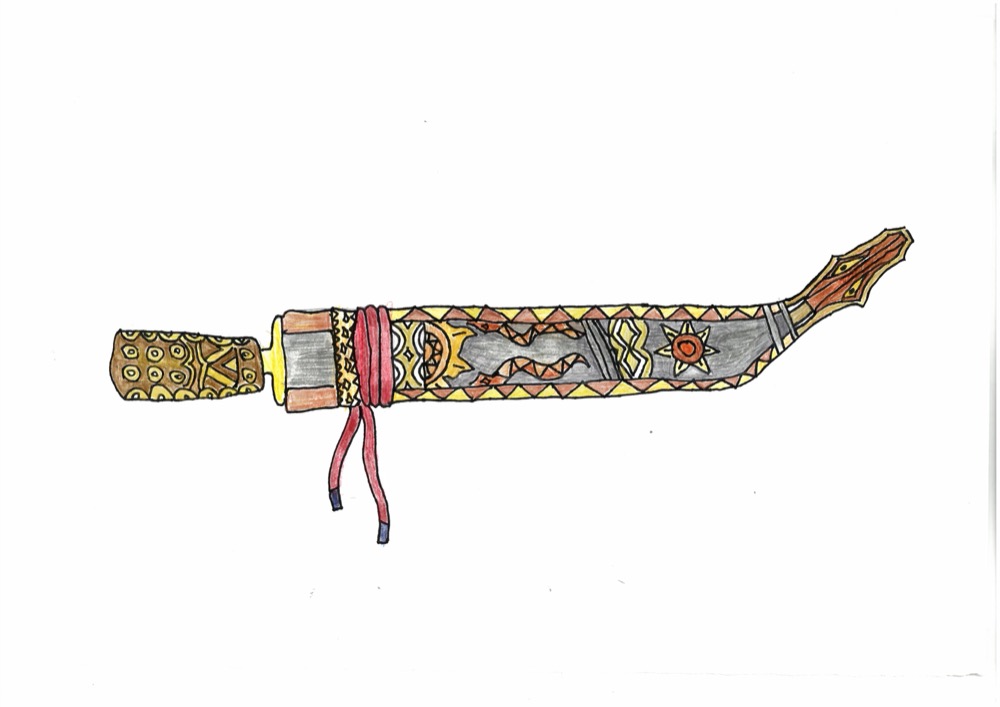
在鞦韆上還會掛上很多東西,像是族服、刀、槍,這些都代表身分、權力,也是一種祝福。有些木頭上還會雕刻百步蛇或圖案,代表這個家族的身分和故事。
等完成之後,大家會跳勇士舞,告訴祖靈我們完成了,也會準備食物感謝幫忙的人。但是現在比較少人會在結婚時立鞦韆,有時候會因為安全或場地的關係改變方式。
我覺得以前的鞦韆文化很特別,因為是整個部落一起完成,代表大家對新人共同的祝福。
In the past, when there was a wedding, the whole tribe came together to build the swing.
We would gather many materials — woods like Taiwan barberry and Taiwan oak for the frame. The Taiwan oak is also called the bitter chestnut tree, called zungulj in our language; it is the timber used by the Majia vavulengan chiefly family. We also used yellow rattan and blood vine for rope, and wild ferns and leaves for decoration.
First, we'd dig holes and stand up the wooden posts, so the swing would be firmly fixed — otherwise it could easily fall. Then someone would climb up to tie the wood tight with rattan, while others supported from below — everyone working together.
On the swing, we hang many things: traditional clothing, knives, guns — all symbols of status, power, and blessing. Some posts even carry hundred-pacer snake patterns or other carvings, telling the family's identity and stories.
When the swing is finished, everyone dances the warrior dance to tell the ancestral spirits we are done, and prepares food to thank those who helped. Today, fewer people build swings at weddings; sometimes the way is changed because of safety or the venue.
I think the old swing culture was very special, because it was something the whole tribe completed together — a shared blessing for the newlyweds.
Listen · 按播放
0:00--:--