從新娘 kiljakai 上鞦韆、paukuz 下聘,到 kisarav 逃婚、kialap 迎娶、langki 喜宴——一連串儀式把兩個家族綁成更深的關係。
paukuz禮繫瑪家
V / V 掃描 …/
vava 子龍
Chapter V
階段 | 五
成婚禮俗
kiljakai上鞦韆
paukuz成婚儀式
sini paukuz清點聘禮
kisarav逃婚
kialap迎娶
langki喜宴
papigacalj起身
kipusau a zemian道別舞
pakasulid洞房禮
cemulju道謝禮
§ I.
老師的話
§ II.
孩子們說
V·1
巴允樂 · 李睿傑 · 藍艾伶蝴蝶班
以前的成婚禮俗有許多階段,傳統領袖在結婚前會將鞦韆搭建好,並由家族的婦女們去盪鞦韆,確定鞦韆的穩固以後,才會讓新娘上鞦韆。
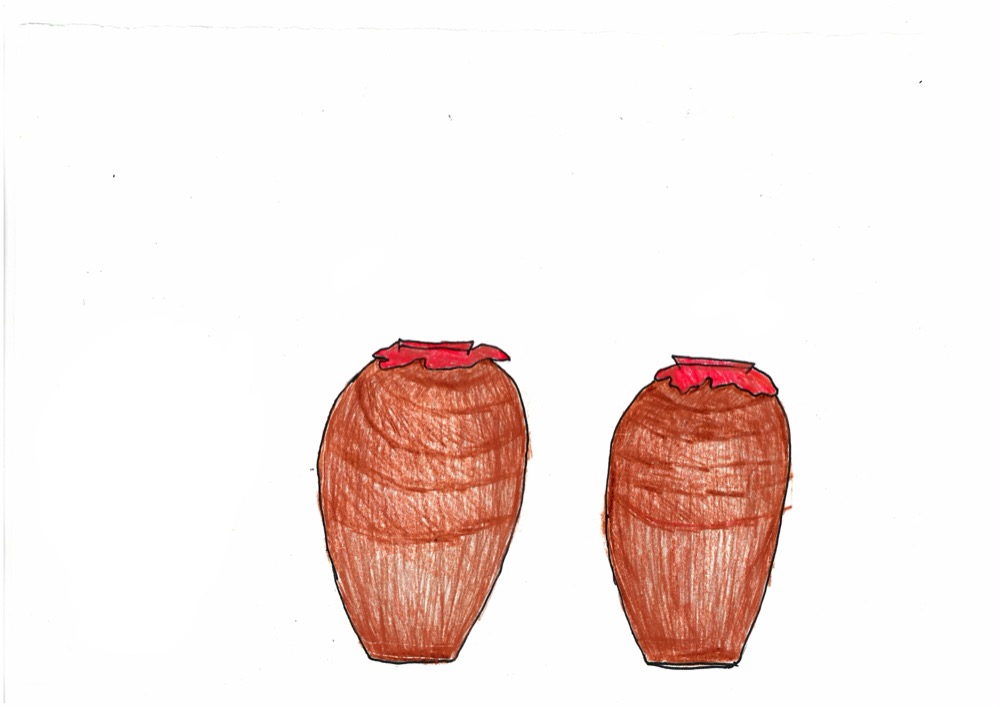
而成婚時最重要的就是 paukuz 下聘,在傳統領袖的規範中,聘禮的內容包含了避邪禮、過橋禮、踏境禮、身分聘禮、聯姻之禮等,每一項聘禮皆有不同的意涵。譬如鐵耙代表的是踏境禮,是男方踏入女方部落領域時要準備的;陶甕則是過去身分財產的象徵,特別綠色的陶甕是最為珍貴的,因為是過去荷蘭人所留下的,並透過交易來到族人的手中;鐵鍋則象徵了過去部落的共食文化,象徵了家庭圓滿、衣食無缺的意思。
在禮俗委員完成所有的聘禮清點後,新娘會進行逃婚,不僅是考驗男方家族的決心,也是女方對自家女兒的不捨。新郎要找到新娘在路途中留下的信物,並找到新娘。當男方禮俗委員帶著小米酒罈為新娘完成起身禮 papigacalj 之後,男方家族將新娘高高揹起,象徵對女方的愛戴。
喜宴後的傳統圍舞,是整個部落與家族的族人們共榮的時刻,大家雙手牽起,共同為結婚的雙方慶賀,希望他們的婚姻幸福、圓滿。
以前的婚禮是整個部落的大事,大家一同參與,場面很熱鬧也很溫暖。而現在的婚禮有一些不同了,有些人會選擇在教會舉行儀式,或是用比較簡單的方式辦婚禮,參加婚禮的人變成了在外面讀書、工作認識的朋友,我們也比較少看到完整的傳統婚禮流程。
我覺得以前的婚禮很隆重,大家都會一起幫忙,也讓人覺得很感動;現在的婚禮比較方便、自由,選擇變多了,但有些傳統的禮俗也慢慢變少,覺得有些可惜,因為很多傳統的美好漸漸被遺忘。
The traditional wedding had many stages. Before the wedding, the chiefly family would build the swing, and the women of the family would test it by swinging — only when the swing was firm would the bride be allowed to step onto it.
The most important moment of the wedding was paukuz, the betrothal ceremony. In the chiefly traditions, the gifts included an evil-warding gift, a bridge-crossing gift, a territory-stepping gift, status gifts, and union gifts — each carrying its own meaning. The iron rake, for instance, represents the territory-stepping gift, prepared when the groom first enters the bride's tribal land. The pottery jar stood for status and wealth; the green ones were especially precious, left behind by the Dutch and reaching the tribe through trade. The iron pot symbolised the tribe's tradition of shared meals — a complete family, with food and clothing in abundance.
After the ritual committee finished counting all the gifts, the bride performed kisarav, running away. It was a test of the groom's family's determination, and the bride's family's reluctance to part with their daughter. The groom had to find the tokens she left along the way, and find her. After the groom's committee performed the papigacalj rising ceremony with a millet wine jar, the groom's family carried the bride high upon their backs — a gesture of devotion.
The circle dance after the feast was the moment when the whole tribe and both families shared joy together — hands clasped, blessing the couple, wishing them a happy and complete marriage.
In the past, the wedding was a great event for the whole tribe — everyone took part, and the scene was lively and warm. Today's weddings are different: some choose a church ceremony, or hold a simpler wedding. The people attending are friends made through school or work elsewhere, and we rarely see the full traditional wedding flow.
I think the old wedding was very grand — everyone helping out, and deeply moving. Today's weddings are more convenient and freer, with more choices, but some traditions are slowly fading. It feels a little sad — so much of what was beautiful is being forgotten.
Listen · 按播放
0:00--:--